


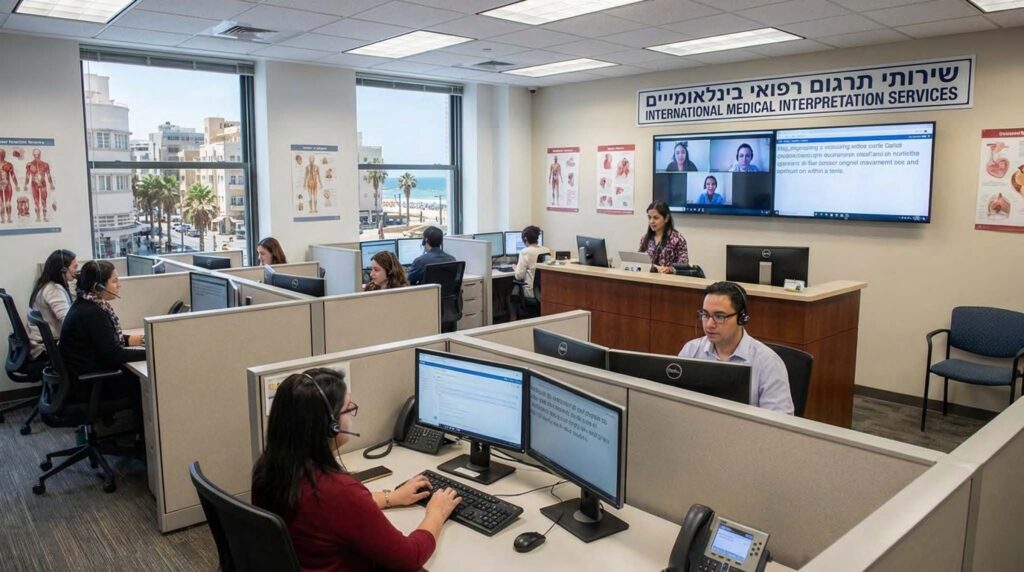
Reliable Medical Localization and Interpretation Services is essential for healthcare organizations. Healthcare organizations serving patients with Limited English Proficiency (LEP), unreliable interpretation creates serious patient safety, compliance, and operational risks. With millions of LEP patients in the United States, healthcare language access directly affects clinical outcomes, patient trust, and efficiency.
Professional medical interpretation services help reduce communication barriers across hospitals, emergency departments, and telehealth environments. When interpretation systems fail because of unqualified interpreters, poor connectivity, or fragmented workflows, the impact can be significant.
Clinical Risks of Unreliable Interpretation
LEP patients are more likely to experience preventable medical errors caused by communication breakdowns. Relying on family members, untrained bilingual staff, or unsupported automated tools can lead to omitted or mistranslated clinical information.
Professional healthcare interpreters help organizations:
- Improve patient understanding
- Support informed consent
- Reduce miscommunication risks
- Maintain HIPAA compliance
- Accurately communicate complex medical terminology
The well-known “intoxicado” case remains a reminder of how interpretation failures can contribute to catastrophic medical outcomes.
Operational and Technical Challenges
Unreliable language access services also affect hospital operations. Long interpreter wait times can delay consultations, discharge processes, and patient throughput.
Healthcare facilities frequently encounter issues such as:
- VRI connectivity failures
- Audio delays during telehealth visits
- Limited device access
- Slow interpreter connection times
Reliable language service providers should offer fast interpreter access, stable VRI infrastructure, automatic failover from video to audio, 24/7 support coverage, and backup communication systems.
Dedicated audio backup lines can also help maintain uninterrupted communication during emergencies or internet outages.
Compliance and Language Access Requirements
Healthcare language access requirements continue to expand as regulators place greater emphasis on communication equity and patient safety.
The Joint Commission’s upcoming National Performance Goals are expected to increase focus on formal language access planning, interpreter documentation, and compliance workflows.
Healthcare organizations must also consider Title VI language access requirements, HIPAA communication obligations, and CMS expectations for equitable patient engagement.
Modern interpretation platforms integrate directly into EHR systems such as Epic and Oracle Cerner, allowing clinicians to connect with interpreters quickly without disrupting care.
Building a Reliable Language Access Strategy
Reliable interpretation is no longer optional for healthcare organizations. A strong language access strategy should include:
- Qualified medical interpreters
- Support for OSI, VRI, and OPI
- Healthcare-focused infrastructure
- EHR integration
- Compliance-ready workflows
By investing in professional language access solutions, healthcare providers can improve patient communication, reduce operational risk, and support better clinical outcomes.
Healthcare organizations evaluating their language access strategy can contact Acutrans to discuss interpretation and multilingual communication solutions.