


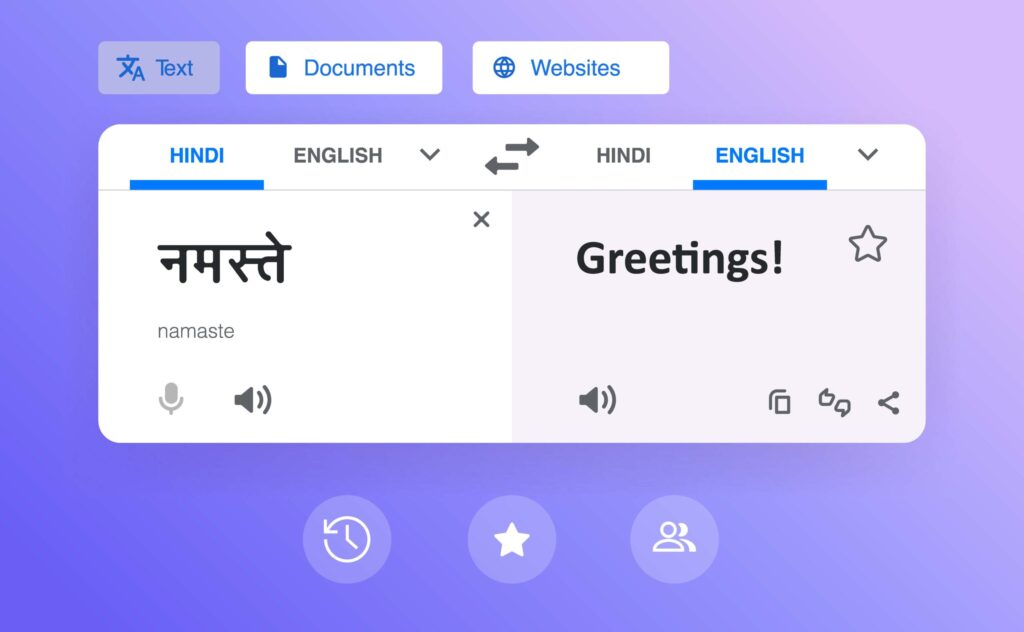
When expanding into new markets, launching a product or communicating with your multilingual audience, is it enough for customers to understand your content, or must they feel it was created specifically for them?
This question lies at the heart of the localization vs translation debate. Translation focuses on converting text from one language to another, while localization adapts the entire user experience to meet cultural, functional, and regulatory expectations.
For global businesses, this distinction is increasingly important. Customers expect websites, products, and support resources to feel natural and intuitive in their language and region. Translation alone may ensure comprehension, but it rarely builds trust or drives meaningful engagement. As competition intensifies and regulatory requirements evolve, multilingual website localization has become a strategic necessity rather than an optional enhancement.
Localization vs Translation: What Is the Difference?
Translation ensures linguistic accuracy by preserving meaning across languages. Localization goes further by tailoring content, design, and functionality to a specific audience.
A localized experience may include region-specific currencies, culturally relevant imagery, appropriate date and measurement formats, regulatory disclosures, and market-specific calls to action. For example, translating a checkout page makes it readable, but localization ensures that pricing, payment methods, shipping expectations, and legal requirements align with local norms, as well as cultural differences and demographic factors such as ethnic backgrounds, age groups, and consumer preferences. This difference often determines whether a customer completes a purchase or abandons the process.
In practice, multilingual localization ensures that every touchpoint, from homepage to checkout, feels cohesive and relevant to the target audience.
The Risks of Translation-Only Strategies
Many organizations begin global expansion with translation and postpone localization, resulting in fragmented digital experiences often referred to as “Franken-sites”. Users may encounter a translated homepage but find product descriptions, checkout flows, or customer support content disjointed or in another language.
This inconsistency undermines trust and increases abandonment rates. Over time, it also leads to localization debt, the cost of retrofitting systems that were not designed for multilingual use. Addressing these issues later can be significantly more expensive and can slow future expansion efforts.
Without a structured approach to multilingual localization, businesses risk creating disjointed user journeys that negatively impact both customer experience and revenue.
Why Localization Matters for Growth
Localization enhances user experience by making interactions intuitive and familiar. This leads to higher conversion rates, stronger brand credibility, and improved customer retention. Customers are more likely to engage with brands that demonstrate an understanding of their language and cultural context.
Localization also plays a critical role in compliance. Regulations such as Quebec’s Bill 96 require businesses to meet strict language standards, with penalties for non-compliance. As global regulations continue to evolve, localization is essential not only for customer experience but also for managing legal risk.
From SEO to GEO
Digital visibility is shifting from traditional search engine optimization (SEO) to Generative Engine Optimization (GEO), where AI systems summarize and recommend content. In this environment, multilingual content must be accurate, consistent, and well-structured to remain discoverable.
Poor localization can confuse both users and AI systems, reducing visibility and limiting reach across markets. Organizations that invest in high-quality websites are better positioned to maintain relevance in an increasingly AI-driven digital landscape.
The localization vs translation debate ultimately comes down to business impact. Translation helps customers understand your message; localization helps them trust it.
Companies expanding globally need more than translated content, they need experiences tailored to local expectations through effective localization. Acutrans helps organizations build scalable localization strategies that support growth, compliance, and customer engagement. Contact us to learn more.